
Nutrition resources for people just getting started
Food does not need to be complicated. This section gathers practical, approachable information about eating in a way that supports an active lifestyle, without restrictive rules or overwhelming detail.
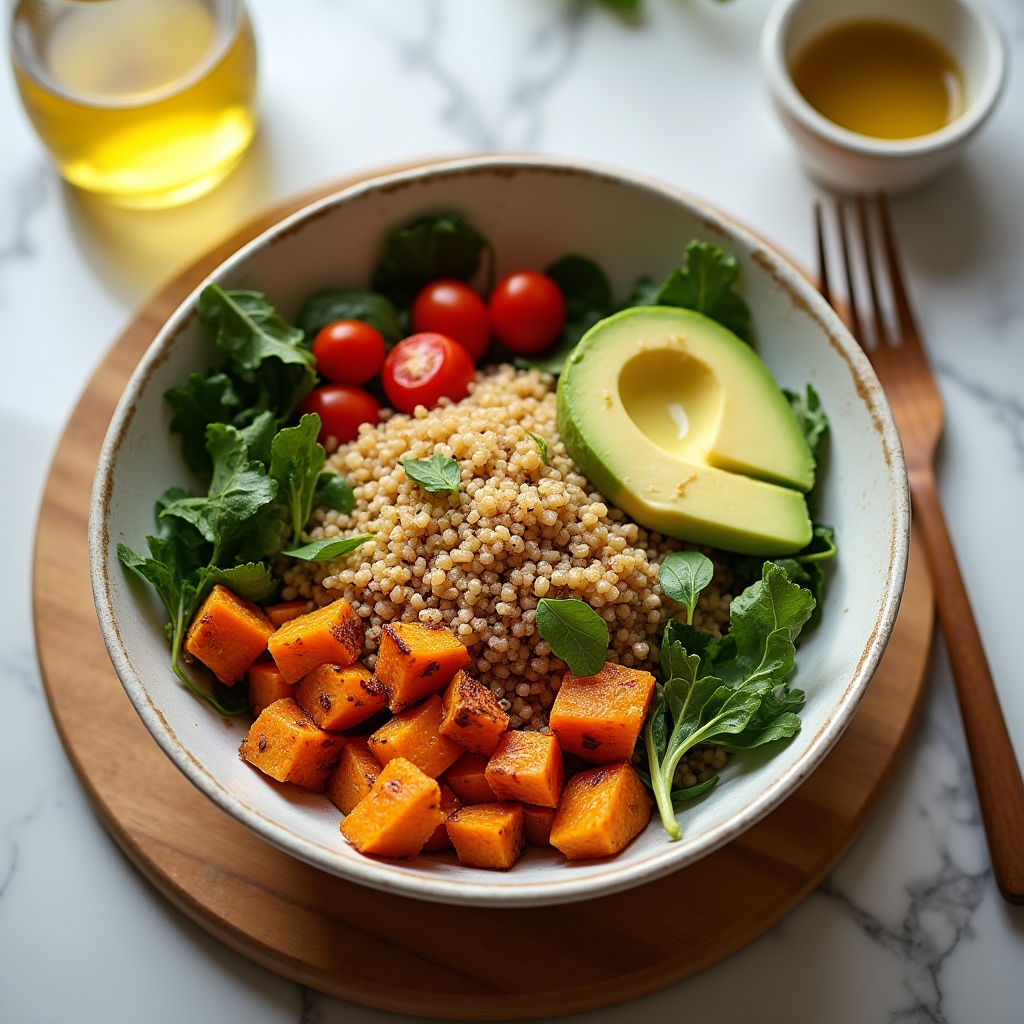
What you will find in this section
These resources are organized around the questions most beginners have when they start moving more. They are informational, not prescriptive.
Hydration basics for new movers
When you start moving more, your hydration needs shift. This resource covers how water intake relates to activity, what signs of mild dehydration look like, and simple ways to build better hydration habits throughout the day. It is not about rigid water targets. It is about paying more attention to how your body feels.
Eating around movement
Should you eat before a morning walk? What about after a light workout? This resource addresses meal timing in practical terms, explaining what tends to work for most people in the early stages of an active lifestyle. The goal is to help you feel comfortable and energized during movement, not to follow a rigid schedule.
Whole foods and simple choices
This resource explains what whole foods are, why they tend to support an active lifestyle, and how to incorporate more of them without overhauling your entire diet. Small substitutions. Gradual shifts. Nothing dramatic. The emphasis is on making food feel like a natural companion to movement rather than a separate challenge.
Energy and fatigue: what food has to do with it
New movers often notice changes in their energy levels. Sometimes more, sometimes less. This resource explores the relationship between food choices and how energized you feel during and after movement. It covers carbohydrates, protein, and fat in plain language without turning nutrition into a science project.
Building a flexible food routine
Just like a movement routine, a food routine works best when it has structure but can bend. This resource looks at how to build eating habits that support your movement goals without creating stress or rigidity. Flexibility is the feature, not a compromise.
A note on these resources
The information on this page is educational and general in nature. It is not intended as medical or dietary advice. If you have specific health conditions or dietary concerns, speaking with a registered dietitian or your healthcare provider is the right step.